
When Steed Upholstery went into voluntary liquidation last autumn (just as it reached 60 years of business), the industry mourned the loss of yet another heritage furniture brand, brought low by falling demand and a lack of diversified revenue streams – so Furniture News was relieved to hear news of the brand’s subsequent acquisition, from its new custodian, Tan Munir, the MD of fellow Long Eaton upholstery manufacturer, Wallace & Howe …
What’s your background in the trade?
I grew up around the manufacturing industry as my father owned a textile business in Nottingham. I learned a lot just by going into work with him as a child.
I set up my first upholstery company 12 years ago, which is still going strong, but Wallace & Howe has really grown over the last couple of years so most of my time is now being spent ensuring its growth is properly managed.
How did you come to acquire the Steed brand, and what aspects of it have survived?
These are very trying times in the upholstery trade and it's always sad when a well-established company closes down. There have been a number of firms that have closed recently in Long Eaton, so when there was the chance to rescue one that had the reputation and 60 years of history that Steed has, I was determined to do whatever I could to help resurrect the name.
As part of the deal, on 1st November Wallace & Howe acquired both the Steed and Peter Guild brands, and we have moved into the Steed factory. One important factor is that we have been able to secure the services of key personnel who know and understand the quality craftsmanship that goes into making these high-end upholstered products
How does the brand fit alongside your existing offer?
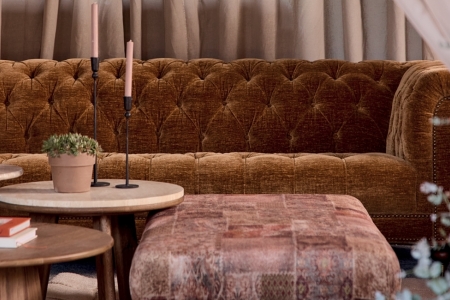
One of the exciting things for me in acquiring Steed and Peter Guild is that it opens up a new market for us. Wallace & Howe works mainly with interior designers, but we now have access to a number of retailers. Whilst both sides of the business make high-end upholstered products, Wallace & Howe designs are more contemporary, whereas the Steed products tend to be more traditional.
Read the rest of our interview in February's issue.