In a market update, EUROPUR, the European association of flexible PU foam block manufacturers, has warned that "despite additional storage capacity built in Europe over recent years, European PU flexible foam producers are now facing the most severe supply chain crisis in the industry’s modern history".
UK mattress and upholstery manufacturers have been keeping a close eye on the unfolding supply chain crisis, but EUROPUR's warning signals the likelihood of significant impact on material prices.
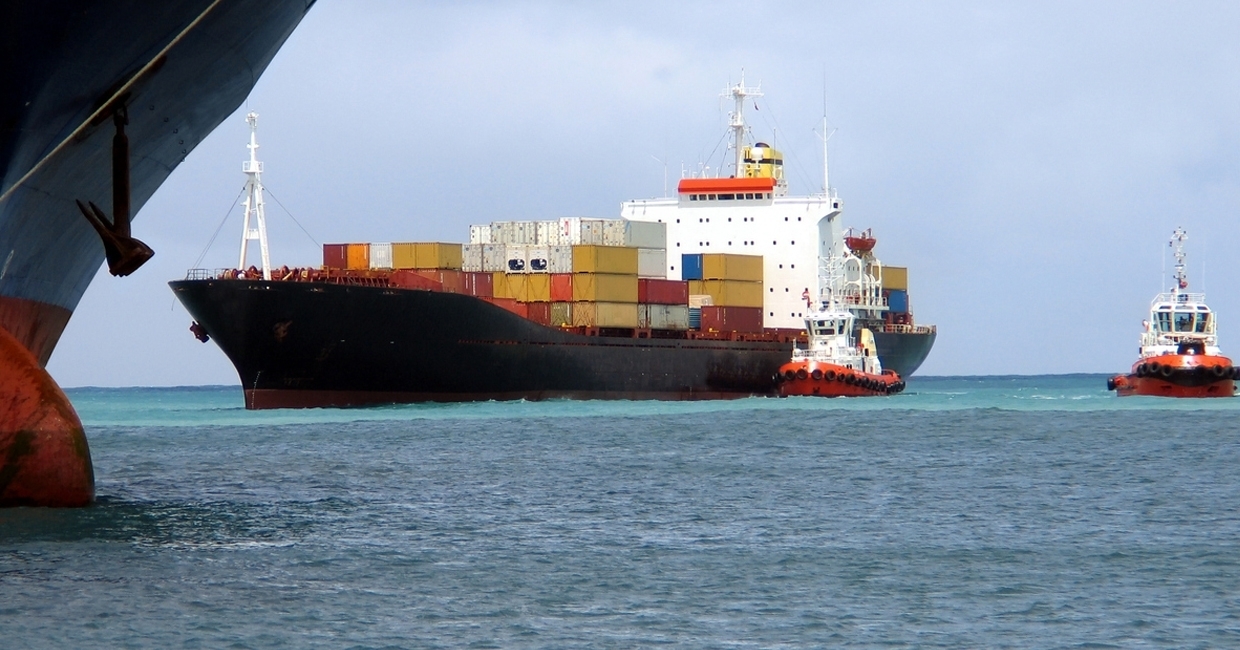
"Nine weeks into the US-Israeli war with Iran, the Strait of Hormuz remains effectively closed – transits have fallen to approximately 5% of pre-war averages, with only a handful of vessels crossing daily," states EUROPUR. "A ceasefire agreed on 8th April has not reopened the strait – Iran’s IRGC continues to seize and fire upon commercial vessels. A parallel US naval blockade of Iranian ports since 13th April has created a 'dual blockade' with no historical precedent. Brent crude reached an intraday high of $126/bbl on 30th April – up more than 70% since the war began.
"The World Bank has described this as the largest oil supply shock on record. For polyol, TDI and MDI buyers in Europe, the combined impact of feedstock cost inflation, shipping disruptions, force majeure declarations across APAC, and the near-total withdrawal of insurance has fundamentally altered cost structures and availability.
"Raw material supply for the industry across Europe is now entering a critical phase. Fundamentally, there is no global shortage of production capacity – however, the ability to obtain and transport raw materials, and to manufacture polyols, TDI and MDI, is severely constrained. The most critical products at present are polyether polyols, due to shortages in propylene oxide supply, compounded by European plant closures in 2025 and outages in the US.
"As foam producers face significant increases in raw material costs and struggle to secure sufficient volumes to meet demand, the situation is progressively affecting downstream markets.
"Even if the Strait of Hormuz were to reopen tomorrow, the global disruption to logistics means the market would be unlikely to normalise before late 2026," EUROPUR concludes.