Kitchen and bedroom retailer Wren today announced a £35m investment in expanding its delivery fleet to meet customer demand while marking the latest milestone in its programme of initiatives to achieve Net Zero by 2030.
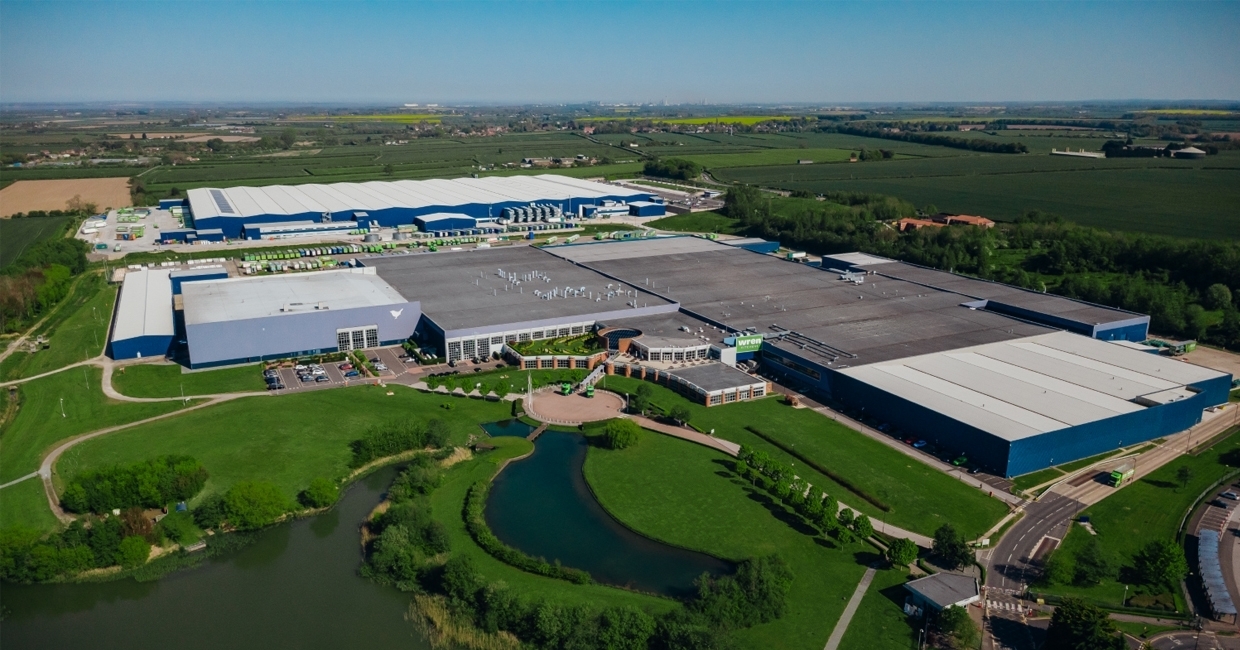
The expansion will significantly increase Wren’s last-mile delivery capacity across the UK, and includes Mercedes-Benz eActros 600s, which will operate from the company’s Barton-upon-Humber manufacturing complex. The eHGVs offer a range of up to 500km on a single charge, making them suited to the demands of regular raw material haulage into Wren’s manufacturing facilities. A dedicated charging infrastructure has been installed across Wren’s manufacturing sites, ensuring the fleet can operate at full capacity from day one.
Their introduction to Wren’s most demanding inbound logistics routes will ensure over 90% of its Scope 1 carbon emissions are reduced across its supply chain operations.
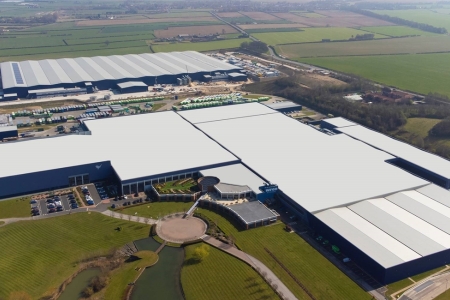
The deployment of the new eHGVs is the latest step in Wren’s investment in sustainability. Work is under way to install the UK's largest single-roof solar array across its manufacturing complex in Barton-upon-Humber, which will generate clean, renewable electricity on-site and is expected to provide over 35% of the factory’s energy demand.
These investments into the solar array, and the wider transport upgrade which include the latest Euro 6 standard, biofuel compatible vehicles and new eHGVs, represent the latest steps in Wren’s strategic approach to decarbonisation.
Lee Holmes, transport and logistics director at Wren Kitchens, says: "The arrival of our first Mercedes-Benz eActros 600 trucks is a landmark moment in our sustainability journey. These are among the most advanced and safest heavy goods vehicles on the road today and by deploying them on our raw material routes we are removing fossil fuels from the very heart of our supply chain.
"We are renewing and expanding our fleet to help meet the demands of our growing business while continuing our investment to reduce our environmental impact as we remain committed to achieving our goal of Net Zero by 2030."