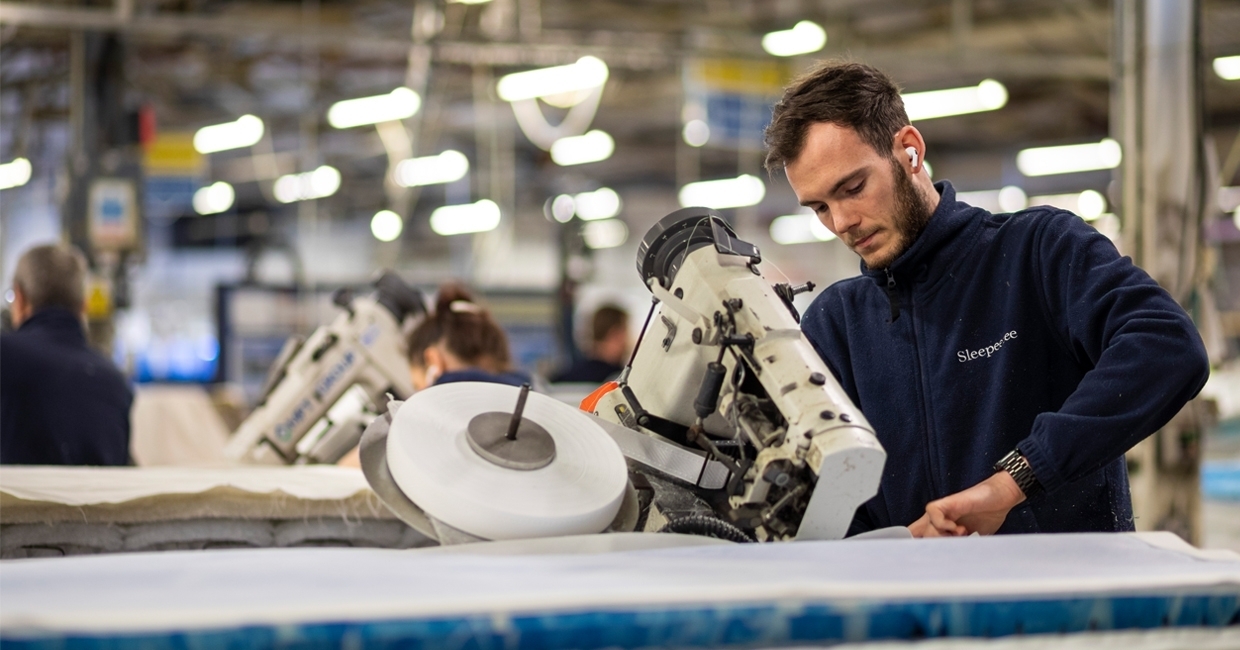
The best of British is back in Furniture News' spotlight, as we ask some of the industry’s leading voices why locally manufactured product appeals, and what the sector’s future might look like …
According to the Furniture Industry Research Association’s latest research, in 2025 “UK furniture manufacturing remained a significant industrial base, comprising 6,705 enterprises, employing around 72,000 people, and generating £10.4b in turnover.”
Despite its scale, British furniture manufacture continues to face rising costs (labour, materials and overheads) and challenges from overseas – yet bastions of independence remain, particularly in bedmaking and upholstery.
Much of this is due to the skills, attitudes and designs unique to Britain on the global stage, in both specialised and volume production. ‘Buying local’ continues to appeal to many consumers, who often associate British-made product with integrity, sustainable processes and speed to market – and lend tacit support to local economies and employment with every purchase. As the British Furniture Association puts it, there is a good deal of “quality, safety, comfort and professionalism associated with British-made goods”.
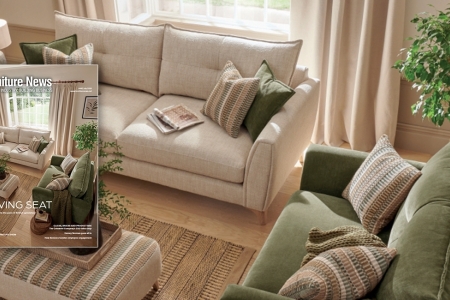
In July's issue, Furniture News revisits the sector in our annual Best of British feature, in which we explore British-made furniture’s place in the market with help from a range of well-placed spokespeople: Wayne Hollis (MD, Celebrity Motion Furniture); Rowena Allen (head of sales, marketing and service, Tetrad); Nick Booth (MD, Harrison Spinks Beds); Amy Curtis (marketing director, Sleepeezee); Rob Livingstone (MD, Jay-Be); David Johnstone (sales director, Sealy UK); Paul James (director, One Call Furniture); David O’Mahoney (sales director, Relyon Beds); and Mike Crowshaw (MD, Peak Converters).
Read the feature here.