
In June's issue, Furniture News shared a range of viewpoints on the likely upcoming reforms to the Furniture and Furnishings (Fire) (Safety) Regulations 1988, which are set to impact domestic upholstered furniture later this year. Here's what sustainable furniture design consultant Delyth Fetherston Dilke had to say …
In the UK, almost a fifth of a sofa is not sofa – it is chemical flame retardants (CFR).
This was a shock to me, and I have worked for years to question the law, question the logic, work with the scientific community and with the upholstery community.
More recently I have worked with furniture manufacturers who wish to transition their internal sofa fillings to natural, non-toxic alternatives.
As we all know, the hands of the furniture industry have been almost tied by the 1988 fire regs into putting CFR in both the foam and most top fabrics of a sofa. They have largely done so believing that they are making a sofa safer.
But when the data is examined, the fire fatality data in the UK is no better than our neighbours in Germany, Italy, Spain, Belgium, Sweden … the list continues. You have then to ask, how are these chemicals making fire safety better, if Europe doesn’t use the chemicals in domestic furniture and has such similar statistics to us?
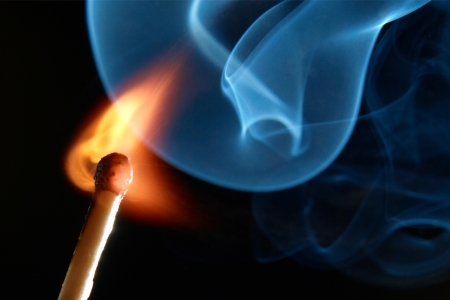
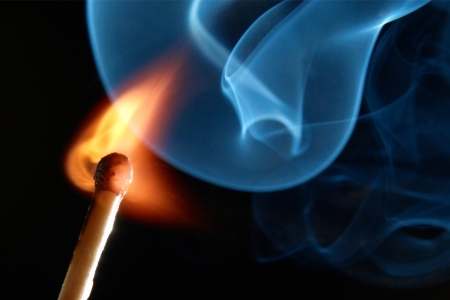
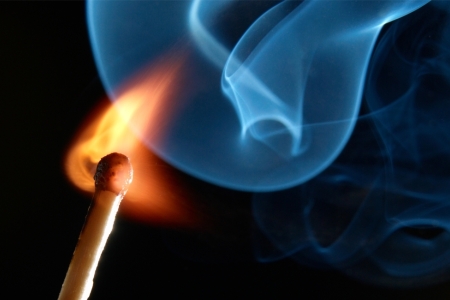
The Government’s new proposal is to drop the open flame test but mandate the cigarette test. The cigarette is still the single largest ignition source (in 45-75% fatalities), so the new test is targeting the prime fire safety risk.
But crucially, what this proposal is allowing is the balancing act of fire safety against safety in the home and workplace from toxic chemical exposure.
Additive chemical flame retardants (such as TCPP added to foam) release into the air as a sofa is sat on, they settle in dust, can permeate skin, can be ingested and inhaled and can build up in the fat cells. Reactive CFR (such as the ‘inherent FR fabric technologies’) embed the chemical in the yarn, but both types of CFR present a problem with end-of-life recycling.
DEFRA acknowledged the incompatibility of the fire regs with the circular economy back in 2022 with their Waste Upholstered Domestic Seating regs, which see in practice the vast majority of our waste sofas being classified as hazardous waste and sent off for 800° incineration alongside hospital waste.
With the hints of Digital Product Passports and Extended Producer Responsibility (EPR) obligations coming down the line, the Government has acted on an amendment to the 1988 fire regs to allow furniture manufacturers the flexibility to design out chemical flame retardants whilst still respecting the biggest fire risk, the cigarette.
This should be beneficial both to the customer, but also to the proportion of the 250,000 employees of the furniture industry who upholster on the workshop floor. Going forward, these workers will have the chance to be free of chemicals that have been linked in a large body of scientific research to cancer, infertility, autoimmune issues such as multiple sclerosis and development issues in children.
Change is admittedly a challenge, but to improve the clean air in a customer’s home, to be able to design furniture that is truly recyclable, and to look after the health of your workforce, are all positive results of this new Government proposal.
Read the rest of the feature in June's issue.