Designing a family home is about more than choosing attractive furniture, writes Emma Clarke – it is about creating an environment where safety, comfort and visual harmony work together in everyday life, and well-designed furniture and carefully considered architectural details play a central role in achieving this balance …
Family homes experience constant movement, activity, and change. Children play on the floor, adults move between rooms carrying items, and shared spaces must serve many purposes at once. Furniture choices therefore need to meet practical safety requirements without sacrificing style. The same mindset applies to fixed interior elements that influence how people move through the home, particularly in multi-level layouts. When furniture and structural features are considered together, the result is a cohesive interior that supports both everyday living and long term comfort.
Safe furniture choices that support everyday family life
Safety is often the first concern for families, but safe furniture does not need to feel clinical or overly cautious. The key lies in thoughtful design and quality materials. Rounded edges on tables, chairs and storage units reduce the risk of injury while maintaining a soft, modern look. Solid construction prevents tipping, especially for bookshelves, wardrobes and media units that may be climbed or leaned on by children.
Material selection also plays a significant role. Durable woods, high-quality laminates and upholstered finishes are easier to maintain and more forgiving in busy households. Stain-resistant fabrics and washable covers allow families to enjoy comfortable seating without constant worry. Low-profile furniture can create a sense of openness while improving visibility, which helps parents supervise children more easily.
These same principles apply when furniture is placed near staircases. Benches, console tables or shelving positioned close to stairs should be stable and well proportioned, avoiding sharp corners or narrow walkways. Thoughtful placement ensures that furniture supports natural movement through the home rather than creating obstacles. When furniture and stairs work together, circulation feels intuitive and safe for all ages.
Staircases as functional and visual elements in the home
Staircases are more than structural necessities. In many family homes, they act as visual anchors that influence surrounding furniture choices. A well-designed staircase can complement the overall aesthetic while contributing to safety through carefully chosen stair parts, a focus shared by specialists such as Stair Crazy, who emphasise combining function with visual appeal.
Handrails are one of the most important safety features in a family home. A sturdy handrail at the correct height offers support for children learning to climb stairs and for adults carrying items between floors. The material and finish of the handrail can be matched to furniture elements such as dining tables or shelving to create visual consistency. Wooden handrails often bring warmth, while metal or glass elements can support a more contemporary interior.
Balustrades and stair spindles also deserve attention. Closely spaced vertical elements prevent children from slipping through while maintaining a clean, elegant look. Transparent or semi-transparent designs allow light to flow through the space, helping staircases feel open rather than enclosed. This openness pairs well with light-toned furniture and minimalist layouts.
Stair treads and risers should provide good grip without looking utilitarian. Textured wood, subtle grooves or integrated anti slip finishes improve safety while blending seamlessly with flooring and nearby furniture. When stair parts are chosen with the same care as sofas, tables and storage units, the staircase becomes a natural extension of the living space.
Integrating child-friendly design without compromising style
One of the biggest challenges in family homes is accommodating child safety while preserving a refined interior. This is where integrated design choices make a difference. Instead of relying on temporary safety solutions that disrupt aesthetics, families can choose furniture and fixed interior elements designed with safety built in from the start.
Built-in furniture can be especially effective in busy areas of the home. Integrated storage with soft-close doors reduces clutter and eliminates the need for freestanding pieces that may tip over. Upholstered seating with firm support helps define functional zones while maintaining comfort and stability. When materials and finishes are chosen carefully, these elements contribute to a cohesive and calm interior.
In areas where level changes occur, child-friendly features such as secure handholds, smooth transitions and clearly defined edges help prevent accidents while maintaining visual elegance. Safety gates and protective barriers can be selected in finishes that match surrounding materials, allowing them to blend naturally into the overall design rather than appearing as afterthoughts.
Lighting also plays an important role. Soft, indirect lighting integrated into circulation areas or placed near furniture improves visibility without overwhelming the space. Well-lit walkways support safe movement while enhancing the atmosphere of the home.
By viewing furniture and architectural features as part of a single system, family homes can achieve a balance where safety feels natural and aesthetics remain uncompromised. Every element contributes to a space that supports daily life while reflecting personal style.
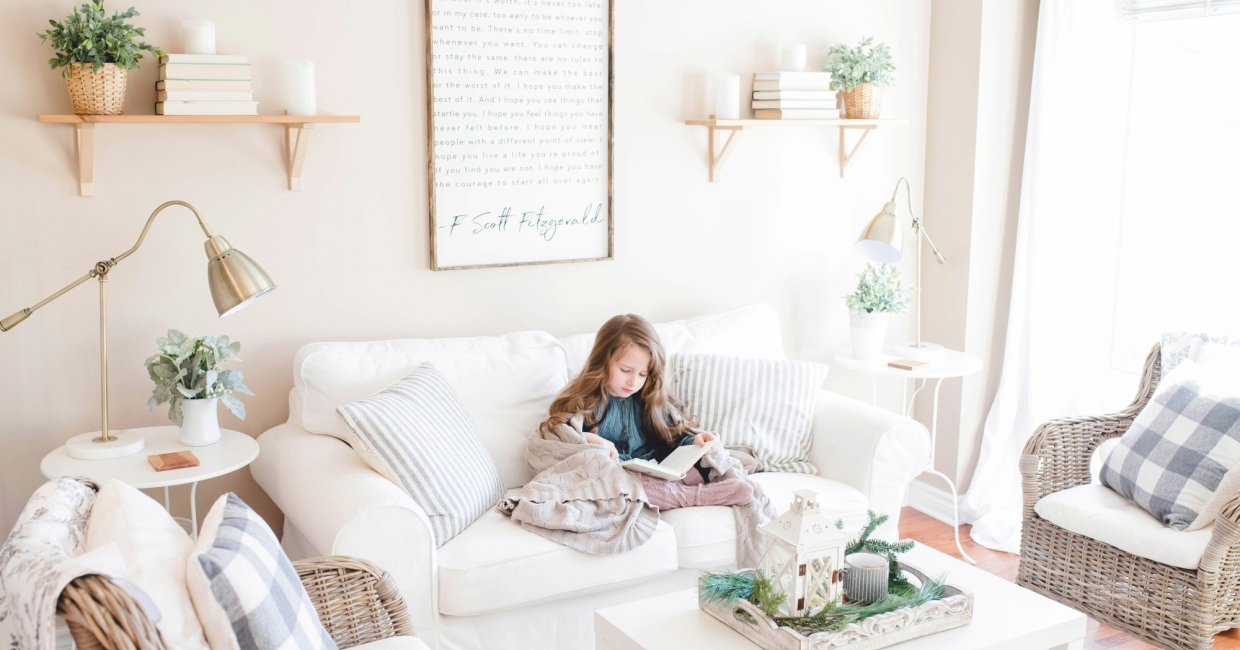
Photo courtesy Unsplash