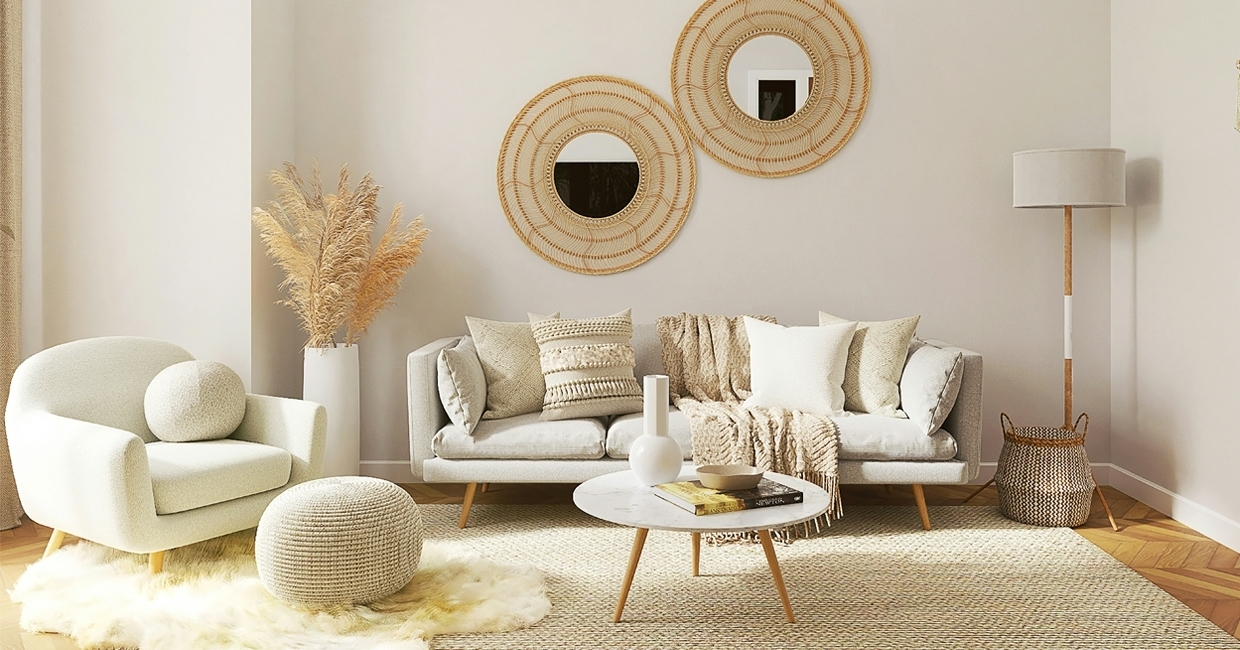
Open-plan homes ask more of a sofa than a closed-off lounge ever did. It has to anchor the room, shape movement, define zones and help one large space feel calmer, more usable and more deliberate – which is why modular designs have become such a practical choice for households looking for flexibility without giving up comfort, writes Sadie Smith …
In an open-plan room, furniture does a lot of the architectural work that was once left for walls to do. A well-chosen modular sofa can create zones, guide sightlines, soften hard edges and make the space feel settled rather than scattered.
The key is choosing a configuration that suits how you actually live, whether that means hosting often, keeping an eye on children or making one room serve as lounge, dining area and work-from-home backdrop.
What open-plan living means today
In contemporary terms, open-plan living usually means combining two or more everyday functions into one connected area, most often the kitchen and dining space, alongside the main sitting room. The appeal is obvious – better light, easier conversation, stronger sightlines and a more sociable feel. The trade-off is that you need furniture with enough presence to define each area clearly while still keeping the room visually open. That makes shape, depth, orientation and scale just as important as fabric or colour.
1. The floating island
This is one of the most effective layouts for larger rooms. Rather than pushing the sofa against a wall, you place it in the centre of the space so it acts as a soft divider between zones. In practice, that might mean the back of the sofa faces the dining table, while the seats face a television wall, fireplace or garden doors.
A floating arrangement works especially well if you want the seating area to feel like the focus of the room. It also keeps circulation routes clear around the edge of the room, which can make a big open-plan space feel easier to move through – arguably the whole point of open-plan.
2. The classic L-shaped zoning layout
The L-shape remains popular because it solves several planning problems at once. It gives you corner seating, it marks out a distinct lounge area and it naturally turns inward, which makes the room feel more intimate.
In an open-plan setting, the longer side of the sofa usually follows the main living zone, while the shorter return helps define where that zone ends. If your room is rectangular, this configuration often helps to break it up and brings a nice balance between comfort and structure.
3. The U-shaped conversation layout
If your home is built around hosting, a U-shaped modular arrangement can be a strong fit. By wrapping seating around three sides, you create a natural social hub that encourages face-to-face conversation far better than a straight-line layout.
This configuration needs room to breathe, so it tends to suit wider floorplans rather than narrower kitchen-living spaces, where it can feel a bit like a cafe booth. When it fits, though, it gives the lounge area real presence and helps stop a large room from feeling echoey or under-furnished.
4. The chaise-led sightline layout
A modular sofa with a chaise section is often the smart middle ground for households that want comfort without the bulk of a full corner unit. The chaise gives you that lounge-ready, feet-up feel, but it keeps one side visually open.
That openness is useful in layouts where you want to preserve sightlines across the room. You can still see through to the kitchen, garden or dining area, which helps the whole space feel connected. It is also a good option if your room has a strong focal point, such as sliding doors or a statement media wall.
5. The split-section social layout
Not every modular sofa has to stay as one continuous piece. In some homes, the most practical approach is to split the modules into two sections facing each other, or a main sofa plus a separate armless seat or ottoman. This creates a more flexible, conversational setup with more of a feeling of choice for the individual.
It is particularly useful when one part of the room needs to stay adaptable. You might pull sections together for film night, then separate them when you need clearer walkways for guests. For family homes, it can also make the living area feel lighter, less rigid and more responsive to daily use.
6. The corner-wrapping family layout
For busy households, a corner-wrapping configuration is often the most hard-working choice. Here, the sofa sits partly against a wall or window line, then extends into the room just enough to define the lounge area. It gives you the grounding effect of perimeter furniture, with some of the zoning benefits of a floating setup.
This tends to work well when you need generous seating but still want to preserve open floorspace for children, pets or regular foot traffic between the kitchen and the rest of the room. It also makes sense in homes where the television is one focal point, but the room still needs to feel open to conversation and everyday movement.
Finding the best fit
The most popular configuration is usually the one that matches the way your household uses the room from morning to night. Measure carefully, leave enough clearance for everyday movement and think about how often you need the layout to change. If you treat your sofa as a space-planning tool as well as a place to sit, open-plan living becomes much easier to get right.