As the line between home and the workplace continues to dissolve, consumers aren’t just shopping for desks and chairs, writes wellbeing and sustainable lifestyle specialist, Annie Button – they’re searching for pieces that perform, impress, and will work with their decor for years to come. And, she adds, for retailers, the home office is a category to prioritise. Here’s what the data, the design trends, and leading UK suppliers are saying in 2026 …
Why consumers are searching, and what they actually want
The industry data tells a clear story – homeowners want home office furniture that looks as good as it functions. Queries around ‘office furniture for home’ are up 60% in the last five years, and searches for ‘luxury home office furniture’ have risen 100% since 2021. It is a market segment that has seen sustained growth since the post-pandemic recalibration of the office environment.
What has changed is the sophistication of the searcher. Early pandemic buyers were reactive – they needed a surface to put a laptop on quickly. Today, that same buyer is investing in ‘quiet luxury’. Hybrid working is firmly part of our employment culture, and customers are comparing materials, questioning longevity, and distinguishing between furniture sold as ‘office-friendly’ and furniture they actually want to live alongside for the long term.
Research carried out by Mordor Intelligence shows that consumers shopping the office furniture markets are seeking sustainability, multifunctionality and durability over disposable furniture. Mid-century modern style fits this segment perfectly. The dominance of wood and metal in mid-century designs aligns with the demand for quality, as well as the sustainability factors influencing buying decisions.
It’s a style associated with craftsmanship and longevity that satisfies both sustainability narratives and timeless aesthetics. It taps into the consumers’ desire for clean lines, comfort, considered proportions, and the warmth of natural materials, perfectly bridging the domestic and the professional in a way few other style categories do.
Home office customers are no longer panicked buyers in a hurry. The furniture they choose comes with the same discerning research and curation as bedroom or living room furniture. As a result, showrooms treating home office as a secondary category are leaving significant revenue on the table.
Positioning home office furniture to convert
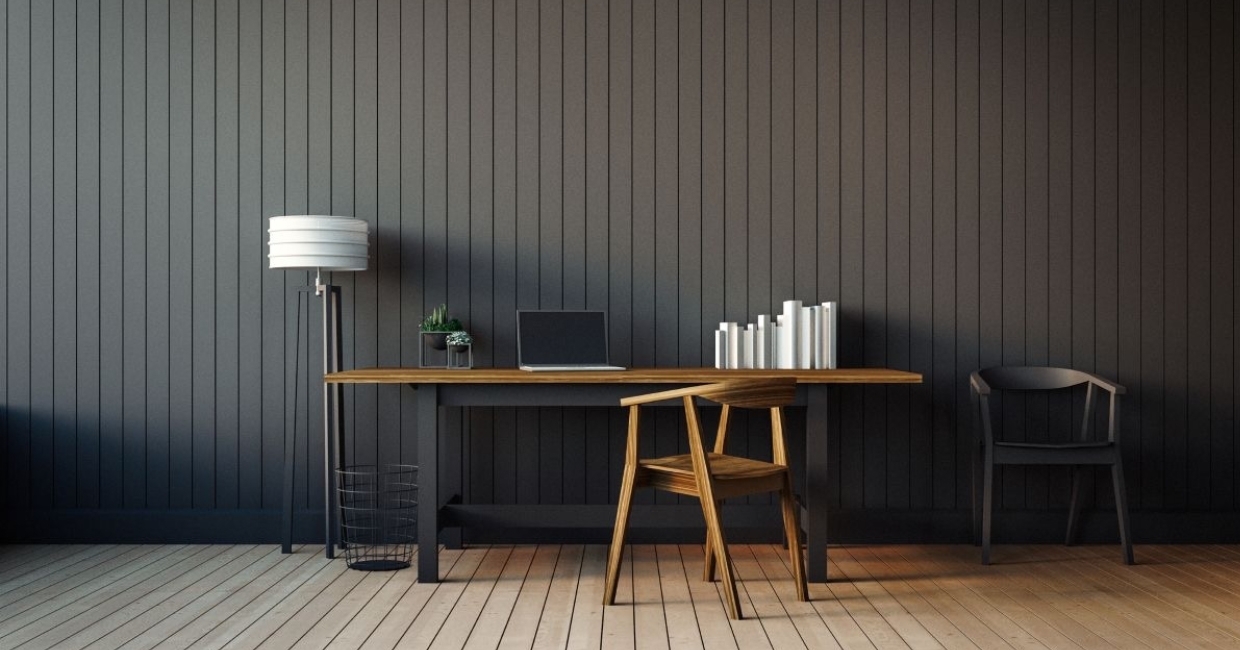
The most effective showrooms present home office furniture in context, rather than in isolation. A task chair beside a writing desk that’s been styled with a quality lamp and a rug underfoot, answers the customer’s underlying question before they voice it: “Will this work in my home?”
Curated collections that blend mid-century-inspired pieces with modern styling showcase precisely how this style can be adapted to suit contemporary interiors.
For online shoppers, mid-century styling photographs beautifully for social and website use. As a common first step in the buying journey, it’s important that customers are met with high-quality images. Even modest styled vignettes increase dwell time and lift ATVs.
Training is the other lever. Staff who can speak to lumbar support, adjustability, and the functional difference between a dining chair and one designed for an eight-hour workday will close more sales. Suppliers, meanwhile, should ensure spec sheets emphasise an item’s domestic suitability, from the material quality to compact footprints and urban-friendly delivery, to help retail partners merchandise the category with confidence.
Four UK brands doing it right
The following suppliers exemplify how to bridge the gap between heritage design and modern commercial reliability:
Onske Furniture: Sussex-based Onske has built a reputation for their quality furniture made from solid woods, marble and premium leather. Their items are designed to last, with materials that age gracefully and speak directly to the buyer seeking longevity over novelty. Onske’s mid-century and Scandi-inspired furniture range is a standout – ergonomic enough for an eight-hour workday, refined enough to complement the rest of your decor.
Swivel UK: With over two decades in the category, Swivel UK’s Stoke Newington showroom offers what online research can’t – the weight of a well-made chair and the texture of quality upholstery. Their extensive range of reproduction mid-century sofas, tables and chairs can be fully customised with a range of fabrics and leather options to suit an existing interior palette. This flexibility removes a significant barrier for the domestic buyer and sets them apart from any mass-market alternative.
Iconic Interiors: Positioned at the investment end of the market, Iconic Interiors’ Eames-influenced chairs and loungers are produced with precision that mirrors the originals at an accessible price. Their YouTube channel, which documents the build quality transparently, is an underused asset for customers looking to provide reassurance before a piece ever enters the home. Based in Cheshire, you have peace of mind that you’re talking to a UK company rather than an overseas warehouse.
Fusion Living: Fusion Living provides a credible entry point to mid-century style furniture. Their pieces hold their own without any build compromises, and their customer service is consistently reliable. This is critical for online buyers without showroom access. Fusion Living has a number of trade partnerships with brands like Dunelm, Robert Dyas and Debenhams.
The professional home office is a growing, commercially significant segment for the UK buyer. The mid-century aesthetic is their reference point of choice, and the brands delivering on both design and functionality, with domestic supply chain reliability behind them, are the ones worth backing.
Photo courtesy DespositPhotos/tontectonix