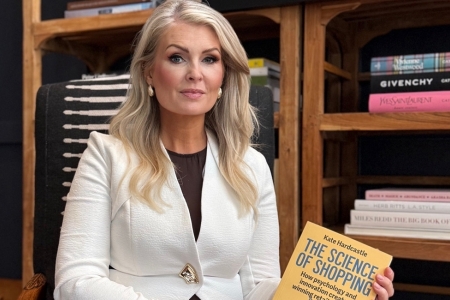

In the third of an exclusive series of columns taken from her new book, The Science of Shopping, retail expert Kate Hardcastle explains what’s behind why people shop …
Shopping is far more complex than a simple exchange of money for goods or services. At its core, it is a deeply human act shaped by emotions, perceptions and desires. It is about meeting needs – not just practical ones, but emotional and psychological needs too. Understanding the motivations behind why people shop is essential for any retailer that wants to connect meaningfully with its customers.
In today’s consumer-driven world, rational decision-making is often only part of the story. While price and practicality play a role, they are frequently overshadowed by emotional triggers – desires, fears and aspirations. To thrive in this environment, retailers need to go beyond functional benefits and focus on creating emotional value for their customers.
The Equation of Value
Central to this is the Equation of Value – product/service + perceived value = price paid.
This simple yet profound formula highlights that value is not a fixed concept – it is shaped by perception. A product is not just judged on its price tag, but on how it makes the consumer feel. Does it evoke a sense of pride, security or joy? Is the emotional pay-off worth the monetary cost?
Luxury brands like Louis Vuitton or Chanel illustrate this perfectly. Their appeal goes far beyond the product itself. A handbag or a pair of shoes from these brands carries the weight of cultural significance, status and emotional resonance. For their customers, the perceived value – what the product represents – far exceeds its physical worth, justifying the premium price.
Emotional drivers in consumer behaviour
Consumers are often motivated more by the desire to avoid loss than by the prospect of gain. This is why strategies such as limited-time offers or scarcity models are so effective. These approaches heighten the perception of value by playing on the fear of missing out (FOMO), triggering emotional responses that lead to action.
At the same time, modern consumers seek reassurance in their purchases – what can be called emotional insurance. They want to feel that their choices are smart, responsible and rewarding. Brands like Apple and Patagonia excel in providing this emotional safety net. Apple’s ecosystem of products creates a sense of reliability and innovation, while Patagonia’s sustainability narrative offers consumers the satisfaction of aligning their purchases with their values.
The emotional heart of retail
At its essence, shopping is a deeply personal act. It is a way for consumers to express their identity, fulfil their desires and find emotional satisfaction. The most successful retailers are those that recognise the human side of shopping, crafting experiences that resonate on an emotional level.
As the industry evolves, the importance of connection will only grow. Retailers that embrace this understanding will not only sell products but create lasting relationships with their customers. By focusing on the emotional drivers behind consumer behaviour and crafting value-driven narratives, they can ensure their relevance in an ever-changing landscape.
The psychology of shopping reminds us that the act of buying is rarely just about the product – it is about the feelings, stories and aspirations tied to it. Retailers that understand and embrace this will not only meet consumer needs but become an integral part of their lives.
Key takeaways
1. Emotional security is a priority: Consumers today are as driven by the emotional aspects of shopping as they are by practical needs. Retailers must understand that their customers seek more than products – they seek emotional reassurance and connection.
2. Perceived value drives purchasing decisions: The Equation of Value reminds us that value is largely about perception. Retailers must craft compelling narratives around their products, enhancing the consumer’s emotional investment and justifying their price.
3. The power of scarcity and urgency: Urgency-driven models like limited-time offers or exclusive collections work because they heighten the emotional stakes. Retailers can use these tools to amplify the perceived value of their products.
4. Emotional narratives build loyalty: Narratives that focus on emotional storytelling – whether through sustainability, innovation or community – create connections that are harder to replicate, and help foster loyalty in a competitive market.
Excerpt from The Science of Shopping, courtesy Kogan Page. To buy a discounted copy, visit here and enter code KOGANPAGE25 at checkout.