Japandi combines Japanese minimalism with Scandinavian warmth to create calm, functional interiors. By focusing on natural materials, clean lines, and thoughtful design, this timeless style brings balance, comfort, and understated elegance to modern homes, writes Tomasz Rezik …
Many interior design trends arrive with hype and disappear just as fast. Japandi is the exception. Instead of chasing bold colours or fleeting fads, it relies on timeless principles – simplicity, craftsmanship and comfort. The style seamlessly merges the understated elegance of Japanese interiors with the cosy practicality of Scandinavian design, proving that a peaceful home doesn't have to feel sparse.
Though born on opposite sides of the world, these two traditions share a core philosophy. Both celebrate natural materials, thoughtful construction and purposeful living. Japandi isn’t about stripping away personality, it’s about curating with intention. It invites you to invest in quality and create a balanced space where every element contributes to a sense of calm.
The principles of Japandi design
At its heart, Japandi is built around simplicity and minimalism. Rooms are uncluttered but never feel empty, and decoration is subtle and never excessive. Furniture tends to have clean lines, low profiles, and simple forms that allow the architecture and materials to take centre stage.
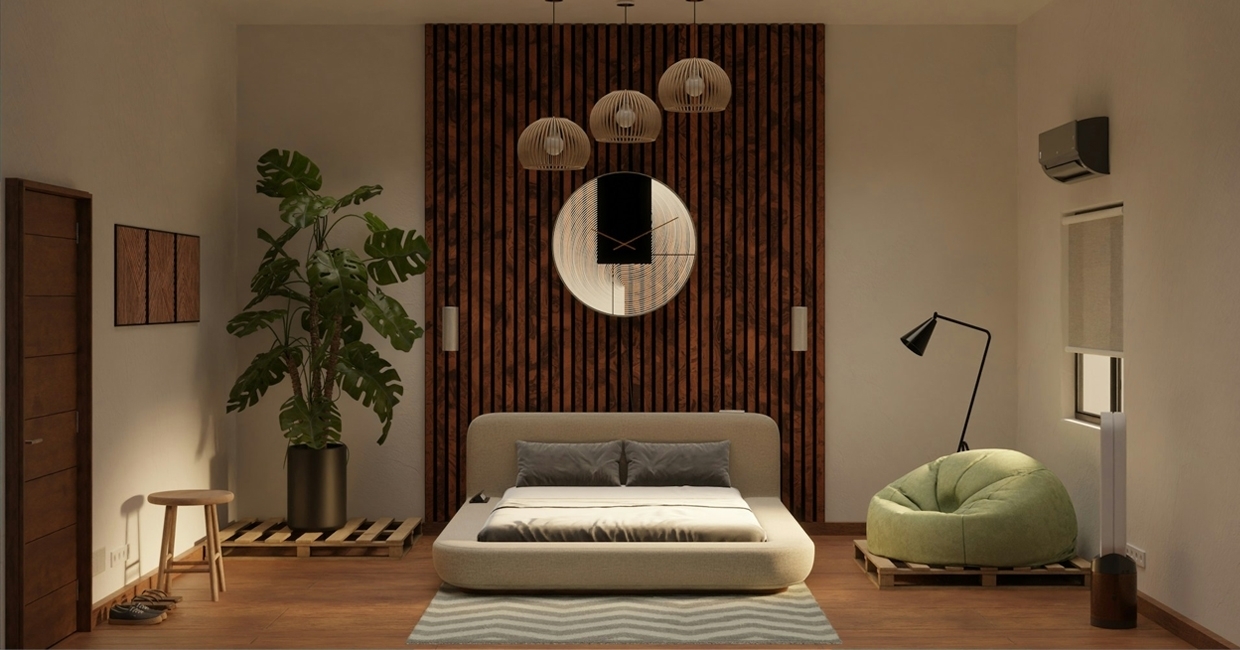
Natural light plays an equally important role – large windows, soft curtains and open layouts help maximise daylight, while artificial lighting is layered to create warmth during the evening. Rather than relying on one bright ceiling fixture, Japandi interiors often combine pendant lights, table lamps and discreet wall lighting to produce a soft, inviting atmosphere.
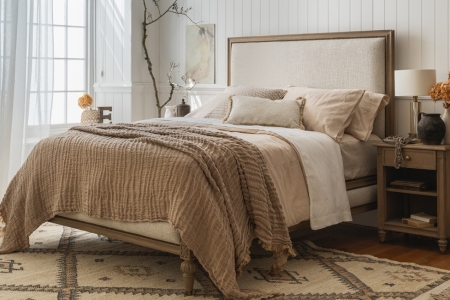
Texture is another defining characteristic. Because colour palettes remain relatively neutral, interest comes from the contrast between timber, linen, wool, stone, ceramic and handmade finishes. These subtle variations prevent minimalist spaces from feeling cold or lifeless.
Perhaps the most important principle is intentionality. Every piece should have a reason for being there, whether it provides comfort, storage, beauty, or all three.
Designing a Japandi home
Creating a Japandi home is often easier when the design is considered from the earliest stages of a build. The architecture itself should support simplicity rather than compete with it.
Open-plan layouts work particularly well because they encourage natural flow between living, dining and kitchen areas. At the same time, clearly defined zones help each space maintain its own purpose without feeling overcrowded.
Natural light should be prioritised wherever possible. Generous glazing, carefully positioned windows and unobstructed sightlines allow daylight to move freely throughout the home. By framing views of lush gardens and landscaped outdoor spaces, the architecture blurs the line between inside and out, honouring a core principle of Japanese design philosophy.
Storage also deserves careful planning – built-in cabinetry, concealed cupboards and integrated shelving reduce visual clutter while ensuring everyday items remain easily accessible. When storage is incorporated into the building itself, rooms naturally feel calmer and more organised.
Choosing the right materials
Materials form the foundation of Japandi interiors. Rather than combining a wide range of finishes, the focus is on selecting a restrained palette of natural-looking materials that bring warmth, texture and longevity to the home.
Wood is often the defining feature of the style. Light oak, ash, maple and beech tones are especially popular, adding a sense of softness and understated elegance. Whether used for furniture, shelving, or architectural details, timber introduces the organic character that is central to both Japanese and Scandinavian design.
When it comes to flooring, however, wood-effect porcelain tiles by brands such as Atlas Concorde, an internationally recognised expression of 'made in Italy' design and ceramic expertise, are an increasingly popular choice for achieving the same aesthetic while offering significant practical advantages. High-quality porcelain tiles interpret the grain, texture, and subtle colour variations of natural timber with remarkable realism, making it possible to capture the warmth of wooden floors without the maintenance concerns.
Unlike solid wood, porcelain is highly resistant to scratches, stains, moisture and everyday wear, making it particularly well suited to busy family homes. It will not warp or expand with changes in humidity, making it an excellent option for kitchens, bathrooms, utility rooms and open-plan living spaces where consistency of flooring is often desirable. It is also easy to clean and requires no sanding, sealing or refinishing over its lifetime.
Alongside timber-inspired flooring, natural stone remains an important element within the palette. Limestone, travertine, slate and subtly veined marble can be introduced on worktops, feature walls or accessories to add depth and quiet sophistication.
Natural textiles complete the look – linen curtains, wool throws, cotton upholstery and woven rugs soften the clean architectural lines, while handcrafted ceramics, textured glass and simple decorative pieces add personality without overwhelming the space. Together, these carefully selected materials create interiors that feel calm, tactile, and designed to stand the test of time.
A balanced colour palette
Colour in Japandi interiors is deliberately restrained. Neutral shades create a sense of continuity throughout the home, allowing materials and natural light to become the focal points.
Soft whites, warm creams, muted greys, beige, taupe and gentle earth tones provide the foundation. These can be layered with charcoal, deep brown, olive green or muted black to introduce contrast without creating visual tension.
Rather than painting each room in dramatically different colours, Japandi interiors often maintain a consistent palette throughout the house. This continuity strengthens the feeling of harmony and makes even modest spaces appear larger and more cohesive.
Accent colours are used sparingly. A single ceramic vase, an olive-green cushion, or a dark timber coffee table often provides enough variation to create interest without disrupting the overall calmness.
Selecting furniture with purpose
Furniture should prioritise comfort, functionality and longevity over trends. Pieces with clean silhouettes, rounded edges and visible craftsmanship work particularly well.
Low-profile sofas, solid timber dining tables, simple upholstered chairs and practical storage units create the relaxed atmosphere associated with Japandi interiors. Furniture should feel substantial and well-made rather than simply decorative.
Instead of filling every corner, it is often better to leave breathing space between pieces. Empty space is an important design element in Japanese interiors, allowing each object to be appreciated individually.
Investing in fewer, higher-quality items usually produces better results than purchasing numerous inexpensive furnishings. A well-crafted dining table or beautifully made armchair can remain relevant for decades, supporting the timeless character that Japandi aims to achieve.
Styling without creating clutter
Accessories should enhance the space without dominating it. One carefully chosen object often has greater impact than a collection of decorative items competing for attention.
Ceramic bowls, handcrafted vases, wooden trays, linen cushions and simple artworks all complement Japandi interiors when used with restraint. Indoor plants also introduce life and softness, particularly varieties with elegant forms such as olive trees, bonsai, fiddle-leaf figs, or simple branches displayed in a ceramic vessel.
Books, candles and personal objects certainly have a place, but they should be displayed thoughtfully rather than accumulated on every available surface.
This approach does not eliminate personality. Instead, it encourages homeowners to surround themselves with possessions they genuinely appreciate instead of filling rooms simply because there is empty space.
One of Japandi's greatest strengths is that it encourages long-term thinking. Rather than following seasonal trends, it promotes durable materials, timeless furniture and thoughtful design decisions that continue to feel relevant years later. Building or furnishing a Japandi home is therefore less about copying a particular aesthetic and more about embracing a mindset. Quality is valued over quantity, craftsmanship over mass production, and comfort over excess.
The result is a home that feels peaceful without being sterile, elegant without being extravagant, and practical without sacrificing beauty. In an increasingly busy world, that sense of balance is perhaps the reason Japandi continues to resonate with so many homeowners. Its appeal lies not only in how it looks, but in how it makes everyday life feel a little calmer, more organised, and ultimately more enjoyable.
Photo courtesy Unsplash/Thufeil N