Fitted furniture versus the freestanding alternatives? It is a decision that many deliberate when designing their homes. For Cari Bateman, senior designer at bespoke fitted furniture specialist Neville Johnson, the answer is obvious …
What problems can fitted furniture solve, which less bespoke or freestanding alternatives can't address?
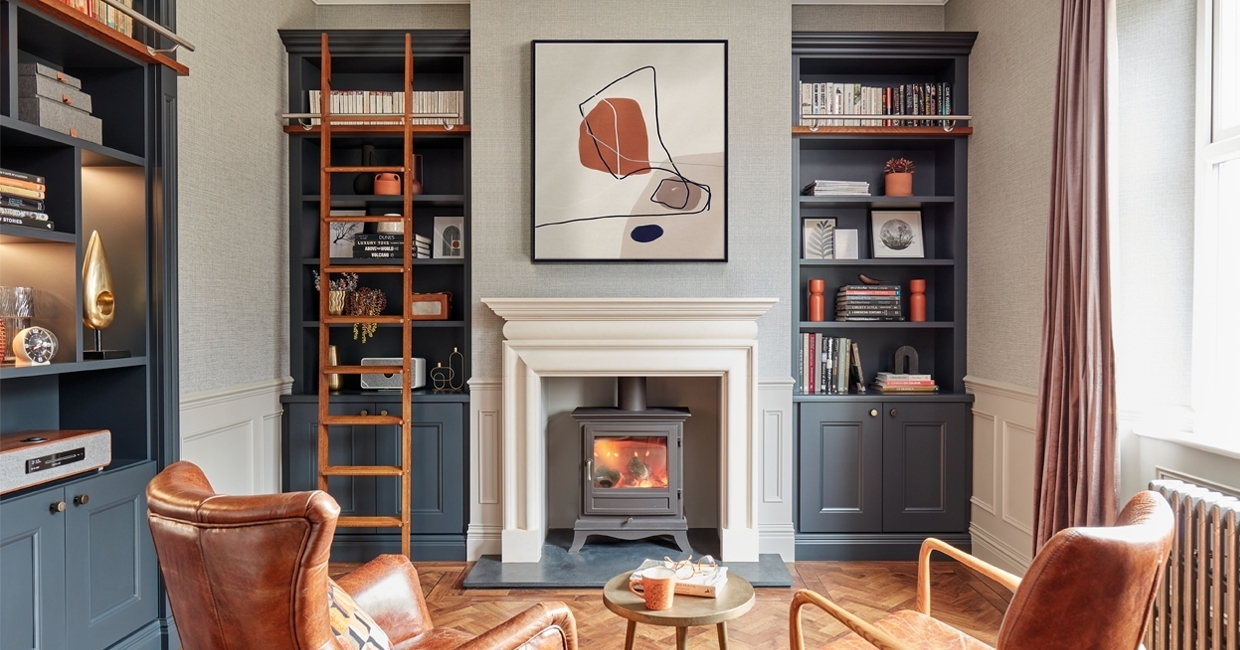
Beautiful fitted furniture looks as though it has always belonged in the room. Because it's designed specifically for the space, there's no wasted area, awkward gaps or compromises around ceiling heights or uneven walls.
It's also designed around the client's lifestyle, so every cupboard, drawer and shelf has a purpose. You can redecorate the room over the years, but a thoughtfully designed fitted piece becomes part of the architecture of the home for decades.
How have our homes changed in the last five years? Has hybrid working influenced demand for fitted furniture and home office solutions?
Homes have become much more personal. We've moved away from the very minimalist, neutral look towards interiors with warmth, personality and a layered feel.
Hybrid working has also transformed what people want from their homes. Rather than simply squeezing a desk into a spare room, clients are creating beautiful studies and library spaces that work hard during the day but still feel inviting in the evenings. It's about designing a room that's both functional and somewhere you genuinely enjoy spending time.
What are you seeing today's homeowners prioritising most – aesthetics, storage, sustainability or flexibility?
Storage and flexibility are usually where every conversation starts. Most of us have far more belongings than we'd like to admit, so creating practical, organised storage is essential. Clients are also thinking much more long term. They want furniture that will evolve with them and continue to work as family life changes.”
What common design mistakes do home-owners make before seeking professional advice?
The biggest mistake is rushing into decisions. I completely understand it – I'm probably one of the most impatient people you'll meet! But living in a space for a little while before making major decisions helps you understand how you'll actually use it. Taking that time nearly always leads to a better design and avoids expensive compromises later.
What furniture trends do you predict for 2026/27?
I think we'll continue to see interiors become more layered and personal. Vintage and antique pieces mixed with contemporary furniture create homes with real character. Rich textures, tactile fabrics, patterned wallpapers and collected objects all help create warm, inviting spaces that feel lived in rather than overly styled.
… and what about colour trends?
Earthy, nature-inspired colours are still incredibly popular. We're seeing lots of terracotta, mustard yellows, burnt orange, olive greens and warm taupes, which all help create calm, welcoming interiors. I think we've moved away from the hyper-neutral era. Homes are becoming warmer, more individual and reflective of the people living in them.
Fitted furniture tops freestanding, then?
For me, great fitted furniture isn't just about storage – it's about improving the way people live in their homes. When a space is carefully considered, beautifully made and designed around the people using it, it brings a sense of calm, organisation and enjoyment that lasts for years. That's what makes bespoke design so rewarding.