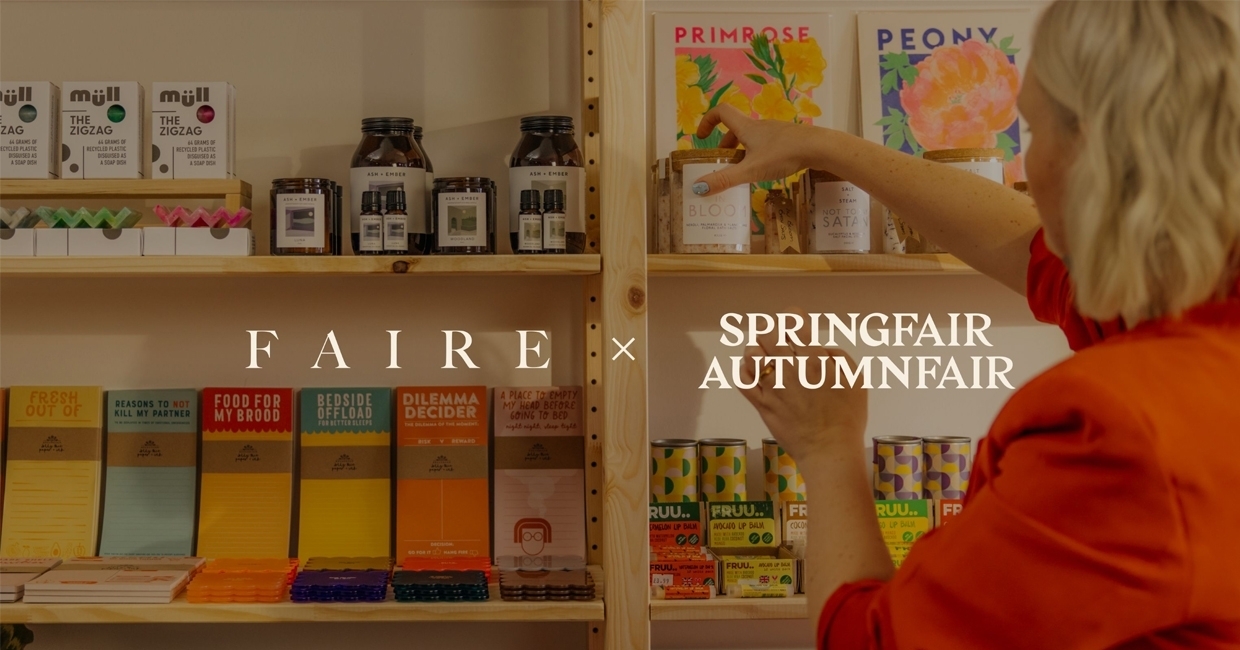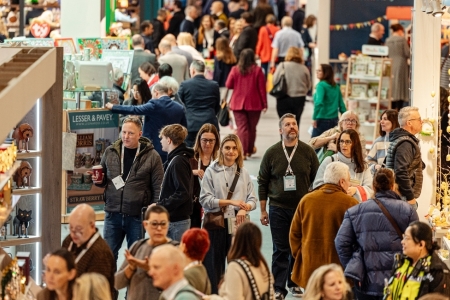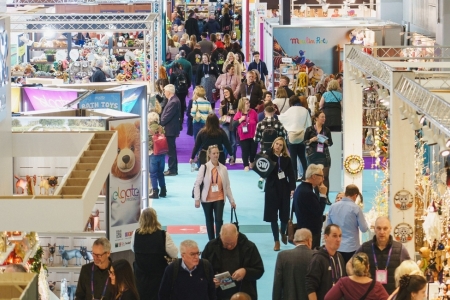
Spring & Autumn Fair, in partnership with Faire, has revealed new insight showing that community-building is emerging as one of the most powerful and underused growth drivers for independent retailers.
The findings, taken from the recently launched Voices of Retail 2026 report, show that 46% of consumers actively choose retailers that create a sense of community, while 89% of retailers who collaborate with other businesses report positive commercial impact, including increased footfall, stronger brand awareness and new customer acquisition. Despite the proven benefits, just 23% of retailers are actively collaborating today.
The report, produced by Spring & Autumn Fair and Faire, surveyed 650 independent retailers and more than 2,000 UK consumers to better understand what is driving growth on Britain’s high streets. According to the findings, shoppers are increasingly seeking experiences, connection and personality from retail, rather than simply convenience or low prices. More than a third (36%) of consumers say they would visit their local high street more often if there were more events and experiences, while over half want community-led experiences such as markets and food tastings.
Jackson Szabo, portfolio director at Spring & Autumn Fair, says: “Community is becoming one of the biggest competitive advantages independent retailers have. Consumers don’t just want transactions anymore, they want connection, identity and experiences that feel human. The retailers succeeding right now are creating reasons for people to spend time with them, not just money. Whether that’s events, collaborations or simply building genuine relationships with regular customers, it creates loyalty that is far more resilient than competing on price.”
The findings suggest many retailers are already sitting on the foundations of a community without necessarily recognising it. The report also highlights that some of the strongest-performing independent businesses are focusing on simple, repeatable ways to engage their local audience, from informal customer events and loyalty initiatives to partnerships with neighbouring businesses and involvement in wider community activity.
Charlotte Broadbent, UK GM at Faire, comments: “What’s really interesting in the data is that community-building doesn’t need to mean large budgets or complicated campaigns. The retailers seeing success are often doing very simple things consistently well. It might be remembering customers by name, hosting a small monthly event, collaborating with another local business, or creating experiences that bring people together. Those moments create emotional connection, and emotional connection drives loyalty, advocacy and repeat visits.”
The report also found that independent retailers who collaborate with neighbouring businesses are seeing particularly strong results, despite collaboration remaining one of the least utilised commercial growth levers on the high street. Examples highlighted within the report include joint events, cross-promotions, shopping trails and informal retailer networks that help businesses share audiences and drive footfall collectively rather than competing individually.
Katie Hughes, marketing and ecommerce executive at Wongs Jewellers (Liverpool & Manchester stores), comments: “We regularly collaborate with local businesses and partners across a range of sectors to help increase brand awareness and drive footfall. By staying closely connected with the local community and creating seamless brand experiences, we’ve seen first-hand how effective collaboration can be in telling stories that resonate with shared audiences.”
Jackson adds: “The high street doesn’t have a demand problem – it has an experience gap. Consumers are clearly telling us they want more independent retail, more personality and more reasons to visit their local high streets. Community is increasingly becoming the thing that brings all of that together.”
As part of the insight, Spring & Autumn Fair and Faire have outlined five practical ways retailers can begin building stronger communities around their businesses: recognise and engage regular customers; create small but repeatable in-store experiences; collaborate with neighbouring businesses; build rituals and experiences customers want to belong to; and get involved in wider local initiatives and community activity.
The findings form part of the wider Voices of Retail 2026 report, available to download now, which explores the strategies, behaviours and trends separating growing retailers from those under pressure across the UK retail landscape.
Community-building underused in independent retail, report finds