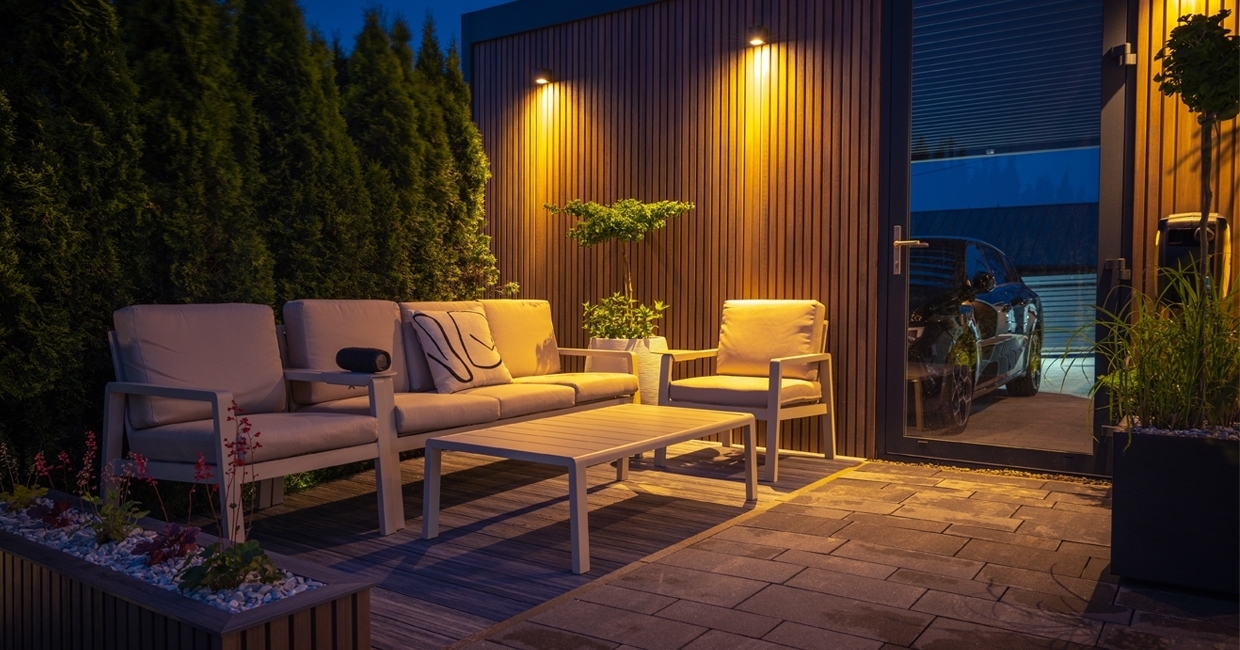
The outdoor living category has had a strong few years, writes Ivana Soldat – most furniture retailers with any kind of garden range know this already, as the demand for outdoor seating, dining sets and lounging furniture has been consistent enough that it's moved from seasonal add-on to year-round priority for a lot of buyers. But what's less discussed is what happens to that garden furniture after dark, and why that gap represents a genuine commercial opportunity for retailers who are paying attention …
Pond lighting sits within a broader outdoor lighting category that consumer interest has steadily pushed upward. Searches for garden lighting products spike not just in spring but increasingly through summer and into autumn, as outdoor spaces become genuinely year-round rooms for many households. For retailers already selling into that space, lighting is a logical adjacency – and one that carries healthy margins and relatively low return rates compared to the furniture itself.
What the consumer is actually looking for
Understanding what drives the purchase helps retailers position the category correctly. The consumer buying pond lights isn't usually doing a planned renovation. More often they've invested in a garden feature – a water installation, a landscaped pond, a contemporary water wall – and they've noticed that it disappears completely once the light fades. The purchase is driven by wanting to protect and extend the enjoyment of something they've already spent money on.
That's a useful insight for retail. It means the buyer is already emotionally invested and is looking for a solution that feels considered rather than cheap. Budget fixtures that look tired within a season aren't going to land well with this customer. Quality, longevity, and the right aesthetic are what close the sale.
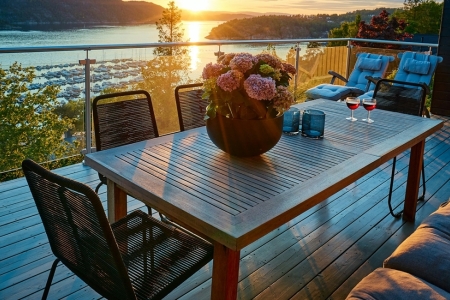
The practical angle also matters more than retailers sometimes expect. Outdoor spaces used in the evening – terraces, decking areas, gardens where ponds sit close to paths or seating, etc – benefit from lighting that improves visibility and safety as much as atmosphere. That dual function (it looks good and it's actually useful) is a straightforward selling point that doesn't require a lot of explanation on the shop floor.
What to stock, and why it matters
The product decisions are reasonably straightforward once you understand the end use. Low-voltage systems are the sensible recommendation for residential garden environments – they're safer around water, easier to install, and more likely to result in a satisfied customer who doesn't have problems six months later. Submersible fittings rated for genuine underwater use are a non-negotiable if you're selling into the pond lighting space specifically – the IP rating needs to match the application, and under-specced products create returns and reputational issues.
Warm white is overwhelmingly preferred over cool white in garden environments. Cool white reads as clinical near water and natural planting, and customers who've bought it often come back dissatisfied. Steering buyers toward warm white from the start saves that conversation.
The category benefits from being merchandised as a system rather than individual fittings. A customer who comes in for one submersible light is easier to convert to a considered multi-piece setup – one under the waterfall, one near the marginal planting, perhaps a surface spotlight picking out a rockery feature – when the display makes that vision clear. Showing the effect is significantly more effective than describing it.
The bigger retail picture
Outdoor living as a category is still growing, and the extension of the season – consumers treating their gardens as usable spaces well into October – has increased the relevance of lighting across the whole range, not just ponds. Retailers who have treated outdoor lighting as a minor add-on are finding that customers are now looking for it proactively and spending meaningfully on it.
For buyers considering where to strengthen their outdoor range, lighting – and specifically water feature lighting – is one of the more defensible areas. It's not a category dominated by the large generalist retailers in the same way that furniture and pots are, the product lifecycle is longer than fashion-led categories, and done well it adds genuine depth to a garden department that many independents are still building out.
The customer who lights their pond properly at night doesn't stop buying outdoor product. They tend to keep investing in the space. Getting them into your store for lighting is often the start of a longer relationship – which, for any independent retailer looking at where to focus attention, is exactly the kind of category worth prioritising.