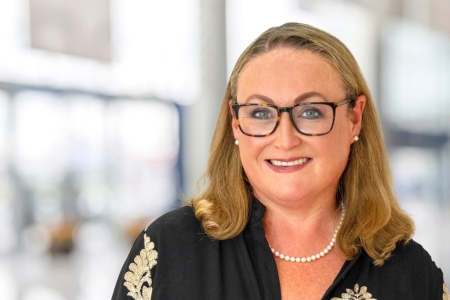

Recent commentary across retail has focused heavily on softening demand, weaker conversion, and increasingly cautious consumers. In the furniture sector, however, that narrative risks oversimplifying what is actually happening. Demand has not disappeared – it has extended, writes retail expert Clare Bailey …
Customers continue to invest in their homes. The desire for comfort, quality, and well-designed living spaces remains firmly in place. What has shifted is the pace of decision-making. Purchases are taking longer to materialise, and that change is exposing structural weaknesses in how many furniture businesses are set up to sell.
Furniture has always been a considered purchase, firmly positioned within the ‘can wait’ category. The difference now is that the consideration period has lengthened beyond what many retailers are accustomed to managing.
While rising household costs are clearly a contributing factor, the wider context also plays a significant role. Ongoing global uncertainty, supply chain disruption, and sustained pressure on delivery and fuel costs are shaping a more cautious consumer mindset. Even when customers are not actively following economic developments, they feel the cumulative impact in their day-to-day spending decisions.
This shift in sentiment is translating into more deliberate behaviour. Customers are researching more extensively, comparing a broader range of options, and visiting multiple retailers before reaching a decision. They are more likely to pause, step away, and revisit a purchase at a later date. In practical terms, this results in fewer same-day conversions, increased hesitation in-store, and a higher volume of deferred decisions.
It is important to recognise that this does not signal a lack of demand – rather, it reflects a change in how demand manifests itself over time.
For retailers, this creates a challenging dynamic. Operating costs continue to rise, placing pressure on margins. Logistics, warehousing and fuel all represent significant and growing expenses, while ongoing supply chain inconsistencies add complexity to stock planning and availability. The natural commercial response is to accelerate sales, drive volume, and bring forward cash flow wherever possible.
However, this approach can sit at odds with the prevailing customer mindset. While businesses seek to increase urgency, customers are exercising greater caution and taking longer to commit. The resulting tension often leads to reactive decision-making.
This is most evident in the widespread use of discounting as a primary sales lever. Price reductions are frequently deployed in an attempt to stimulate immediate conversion, rather than addressing the underlying hesitation. Similarly, showrooms can become overcrowded with product, driven by the belief that increased choice will improve sales outcomes. At the same time, insufficient attention is often given to follow-up, meaning that customers who leave without purchasing are not effectively re-engaged.
Such approaches are increasingly misaligned with current purchasing behaviour. A slower decision-making process does not equate to a lost sale. In many cases, it indicates a need for greater reassurance and confidence before committing to a purchase.
This shift calls for a more considered and structured response. Maintaining visibility throughout a longer purchasing journey is essential. Customers should encounter consistent, well-judged communication that reinforces brand presence and supports their decision-making process over time. One-off promotional activity is unlikely to be sufficient in a market where decisions are more protracted.
The role of the showroom also requires careful reassessment. Customers are arriving with a higher level of pre-existing knowledge, having already conducted significant research online. The in-store experience should therefore focus less on breadth of choice and more on clarity and reassurance. Clear pricing, transparent lead times, and knowledgeable staff who can confidently articulate product value are all critical components.
Equally, follow-up must be treated as a core commercial discipline rather than an optional extra. Capturing customer information, understanding purchase intent and re-engaging at appropriate intervals can materially improve conversion rates in a slower market environment.
For independent retailers in particular, this presents a meaningful opportunity. The ability to build relationships, provide tailored advice, and create trust through direct interaction offers a distinct competitive advantage. Larger operators may rely more heavily on process and promotion, whereas independents can differentiate through expertise and personal engagement. In a market characterised by caution, trust becomes a decisive factor in the purchasing process.
The central point is clear. Demand remains present, but its behaviour has changed. Success will not come from applying greater pressure to accelerate decisions. Instead, it will come from understanding the customer’s mindset and aligning the sales approach accordingly.
In the current furniture market, sales are seldom lost altogether. More often, they are simply delayed.
Subscribe to Clare’s Retail Reckoning podcast here.