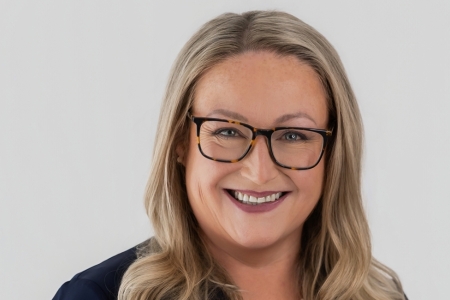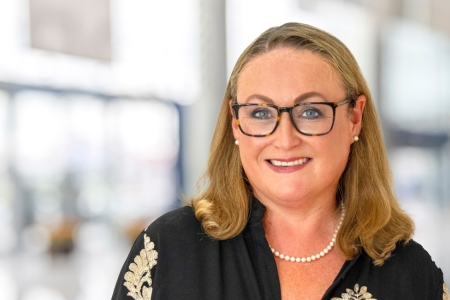
The growing interest in recycled, reclaimed and pre-owned furniture isn't simply a sustainability story. Clare Bailey, founder of The Retail Champion and host of the Retail Reckoning podcast, explores why independent retailers should be looking beyond the first transaction …
We throw away an extraordinary amount of furniture in the UK. According to WRAP, around 22 million items are discarded every year. That's a staggering amount of useful life, and potentially useful value, heading out of the door.
While the conversation quite rightly focuses on environmental impact, I think the furniture industry should be asking another question – who gets to make money from what happens next?
We've already seen secondhand goods move firmly into the mainstream. Pre-owned fashion is no longer just about charity shops – refurbished technology has become an accepted choice, and luxury resale is big business. Consumers are increasingly comfortable with buying something that isn't brand new, provided the quality, value and trust are there.
Furniture has its complications. A sofa isn't as easy to resell as a handbag. Collection, storage, refurbishment and delivery all have to stack up commercially. Yet the opportunity is hard to ignore. WRAP estimates that keeping currently discarded household goods in use could save UK households between £2b and £8b a year.
For independent retailers, though, simply sticking a sustainability label on a product won't cut it. The British Furniture Confederation's 2024 industry survey found that 93% of respondents considered sustainability practices important. That's encouraging – but importance doesn't automatically translate into willingness to pay more.
Customers still want something desirable, well made, convenient and fairly priced. Sustainability might strengthen the proposition, but it rarely rescues a poor one. Retail fundamentals haven't suddenly changed because we've started talking about circularity.
Where things get interesting is when we stop thinking only about the initial sale and start considering the entire life of the product. What happens to the sofa, dining table or bedroom furniture you sell today in five, 10 or 15 years? Traditionally, once it leaves the shop, the relationship largely ends. The customer eventually needs something else, and the next retailer gets the opportunity. Why should that be the default?
IKEA's Buyback service offers an interesting alternative. Customers can return eligible furniture for store credit, with suitable pieces resold. The environmental benefit is obvious, but there's a commercial benefit too. IKEA creates a reason for customers to return, encourages another purchase and keeps the relationship alive beyond the original transaction.
Independent retailers don't need IKEA's scale to borrow the thinking. A trade-in scheme might work for selected products. Ex-display pieces, customer returns and discontinued ranges could have a planned second life rather than simply acquiring increasingly desperate red stickers. Partnerships with local upholsterers, restorers and repair specialists could open up services that generate revenue while keeping furniture in use.
Could you help customers resell quality pieces they originally bought from you? Offer repair or reupholstery? Introduce carefully chosen reclaimed or vintage furniture alongside new collections? Not every model will work for every business, and the logistics need proper consideration, but these are commercial possibilities worth exploring, not just environmental gestures.
There's another opportunity hiding in plain sight – longevity. We don't always need to sell sustainability as sustainability. Telling customers to buy something because it's better for the planet won't persuade everyone. Explaining that a piece is beautifully made, designed to last, repairable and capable of serving another generation is a much more tangible expression of value.
That matters in a market where price comparisons are easy, and independent retailers can't always compete with the buying power or advertising budgets of the biggest players. Expertise, service and a distinctive offer are advantages. Helping customers protect the value of what they've bought could become part of that difference.
I'm not suggesting every independent furniture retailer should suddenly become a secondhand dealer. Nor should anyone underestimate the costs of collecting, assessing, storing and reselling bulky goods. The model has to work commercially, not just look good in a sustainability report.
But the traditional approach of ‘sell it, forget about it and wait for the customer to need another one’ deserves challenging.
Millions of pieces of furniture leave UK homes every year. Someone will find a way to capture the value that remains. The question is whether independent retailers will help shape that market, or leave somebody else to build the customer relationship.
The first sale puts furniture in the home. The second could bring the customer back. I'd rather independent retailers were in the running for both.
Subscribe to Clare’s Retail Reckoning podcast here.