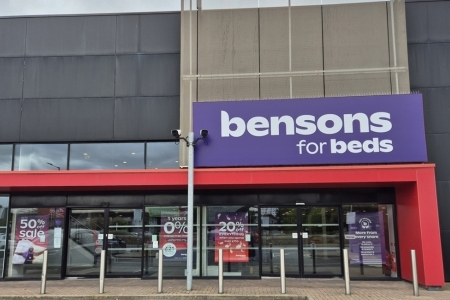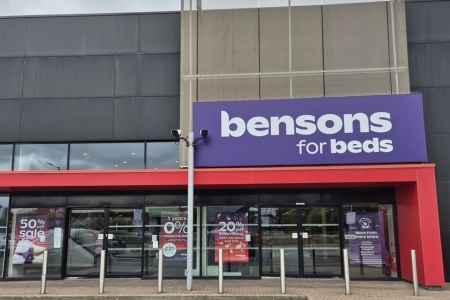

This year, Bensons for Beds catalysed employee engagement by deploying frontline operations platform WorkJam across the business – digitally connecting more than 1,800 members of staff across its 178-store estate, manufacturing facility, national distribution network and support centres. Furniture News asked chief people officer Carrie Westwell how the technology complements Bensons’ existing workforce management strategy …
What does your role comprise?
As chief people officer, I’m accountable for the full colleague experience at Bensons for Beds – from attraction, recruitment and onboarding through learning, development, engagement and performance, to wellbeing, reward and employee relations.
That spans a highly diverse workforce across stores, distribution, manufacturing and our support centre, so my role is very much about ensuring we have the right people strategy to support a multi-site vertically integrated retail business, while building a culture where colleagues feel connected, supported and able to do their best work.
How do you even begin to handle the HR functions of a business of that size?
You don’t do it alone. The starting point has been building a strong, commercially minded people team and empowering leaders across the business to take ownership of their people, providing them with the support and tools they need to do that well.
From there, it’s about clarity and prioritisation – being absolutely clear on what matters most, simplifying where possible, and using technology and data to scale consistently across hundreds of locations. In a retail environment, operational pace is relentless, so our team has to be practical, responsive and embedded in the business, not operating on the sidelines.
To your knowledge, is there anything unique about Bensons’ approach within the wider furniture or retail sector?
What stands out for me is how intentionally people, performance and customer experience are linked. We recognise that great customer outcomes don’t happen by accident – they’re created by engaged, well-trained colleagues who feel valued and supported.
There is also a genuinely down to earth, inclusive culture at Bensons. We’re very focused on listening to colleagues through our structured listening forums like our functional and national Sleep Council and Forty Thinks (an ideation forum), acting on feedback, and making change that improves everyday working lives, not just headline initiatives.
What are you most proud of achieving since joining the business?
I’m proud of how far we’ve come in strengthening engagement, capability and consistency across the business. We’ve put clearer frameworks in place for leadership, development and communication, while keeping a strong focus on wellbeing and inclusion during a period of significant change in retail.
Most importantly, I’m proud of the trust we’ve built – colleagues increasingly feel heard, and leaders see the people team as a genuine partner in delivering the business agenda.
We’ve also achieved Great Place To Work Certified status, which is a direct result of colleague feedback about how they feel about the business, as well as being highly commended in the People Team of the Year category in the British HR awards.
What mechanisms are in place to ensure staff are heard?
We use multiple channels, because one size simply doesn’t fit all. That includes regular engagement surveys, pulse feedback, colleague forums and structured listening groups, as well as strong day-to-day conversations between colleagues and managers.
We also have formal committees and working groups focused on wellbeing, inclusion and engagement, ensuring feedback is reviewed at senior level and translated into real action, not just discussion.
There have been so many actions taken from the Great Place to Work feedback we received, and we keep this live with regular review sessions and “You said, we did” boards around the business.
What are the financial benefits to having a more engaged workforce?
Higher engagement is consistently linked to stronger productivity, better retention, improved customer satisfaction and lower absence – all of which have a direct financial impact.
In retail, where margins are tight and competition is intense, investing in engagement isn’t a ‘nice to have’, it’s fundamental to sustainable performance. It’s even more important in an assisted-selling environment.
Read the rest of our interview with Carrie in July's issue.