The best of British is back in the spotlight! In July's issue, Furniture News asked some of the industry’s leading voices what the sector’s future might look like …
Sharing their views on what makes them hopeful for the future of the domestic furniture industry are: Wayne Hollis (MD, Celebrity Motion Furniture); Rowena Allen (head of sales, marketing and service, Tetrad); Nick Booth (MD, Harrison Spinks Beds); Amy Curtis (marketing director, Sleepeezee); Rob Livingstone (MD, Jay-Be); David Johnstone (sales director, Sealy UK); Paul James (director, One Call Furniture); David O’Mahoney (sales director, Relyon Beds); and Mike Crowshaw (MD, Peak Converters) …
Wayne Hollis: I believe the British furniture industry continues to show resilience and adaptability despite the challenges it faces. There is still strong demand for well-made, comfortable furniture, and manufacturers are continuing to innovate through new technologies, product development and improved manufacturing processes. British-made furniture has a strong reputation, and I’m confident the industry will continue to evolve and remain an important part of the market for years to come.
Rowena Allen: In a challenging market, buying British offers reassurance, combining trusted craftsmanship, dependable supply and support for UK industry and jobs. We are confident in being able to deliver a strong order book, product development and exciting new initiatives as we continue to drive growth through this year and next.
Nick Booth: The domestic bedmaking industry is increasingly being shaped by sustainable innovation, particularly where manufacturers are investing in new techniques, processes and machinery, as we continue to do at our factory in Yorkshire. As the only bed manufacturer in the UK to own its own farm – and one of the UK's largest growers of industrial hemp – we take a process-led approach to innovation, developing mattresses using natural fillings such as the finest homegrown hemp and flax, and British wool from traceable farms in partnership with British Wool, which are each foam-free, glue-free and free from FR chemical treatments.
Alongside this, we continue to invest in local craftsmanship, with artisan bedmakers refining time-honoured skills in sewing, side-stitching and hand tufting each mattress – skills rooted in British craftsmanship and developed over many years. This combination of responsible innovation, skilled craftsmanship and high levels of integration across the manufacturing process gives us confidence in the future of British bedmaking, reinforcing our identity as the true bedmakers, delivering homegrown, handcrafted British luxury.
This is reflected through our award recognition, such as the Bed Manufacturer of the Year award, which we have won five times, alongside eight King’s Awards for Enterprise, underlining the strength and credibility of British manufacturing. Looking ahead, we are also seeing growing international demand for authentic British handcrafted luxury, reinforcing the export potential and global appeal of British-made, responsibly crafted mattresses.
Amy Curtis: Despite the ever-growing pressures facing manufacturers, there are many reasons to be optimistic about the future of the UK bed industry. Consumers are increasingly recognising the importance quality sleep has on their life and are investing in products that deliver comfort, durability and long-term value. British manufacturers continue to innovate, developing more sustainable materials, improving production processes and responding quickly to changing customer needs.
The bed sector in particular also benefits from a wealth of expertise, craftsmanship and a strong reputation for quality. By continuing to focus on innovation, sustainability and customer service, the UK bed industry is well positioned to grow and remain competitive in the years ahead.
Rob Livingstone: The businesses succeeding in the UK are the ones investing in quality and service, and have built long-term reputations for beds and furniture that is properly made, responsibly produced, and backed by dependable service.
As the shortcomings of low-cost imports become more visible, trusted British manufacturers and brands are in a strong position to stand apart through consistency, transparency and genuine product quality.
David Johnstone: Those of us that have been in the industry long term have seen tough trading before – but we have also seen trading recover.
I believe this is due to the high quality of our homegrown product, and the wide choice available to the market. The ongoing commitment to innovation and development means UK manufacturers are driving the industry forward. They are offering the latest in products and technology, and this will always create market interest and consumer preference. Differentiation of product aesthetic and specifications gives the industry the opportunity to thrive and prosper.
The interest in sleep as a key ingredient in overall wellbeing is also growing in the consumer mindset, and we begin to see this coming to the forefront of purchasing consideration. The UK bedding industry is also committed to improved sustainability, another growing interest in the consumer mindset.
Paul James: Despite ongoing economic challenges and the lack of Government energy support for our energy-intensive industry, the future of UK furniture manufacturing remains bright. The sector is underpinned by innovation, investment in technology, and a highly skilled workforce. With a well-established reputation for quality, craftsmanship and expertise, British manufacturers are well positioned to deliver outstanding products alongside competitive pricing and dependable lead times.
David O’Mahoney: I’m optimistic about the future of the UK mattress industry because it has a long history of producing high-quality products and continues to adapt to changing consumer expectations. British manufacturers have always been known for their craftsmanship, but they’re also investing in innovation – whether that’s through new materials, sustainability initiatives or improvements in manufacturing processes.
We're also seeing more consumers take an interest in where products are made and how they're made. Quality, durability and environmental considerations are becoming increasingly important purchasing factors, and those are all areas where British manufacturers have a genuine strength.
There’s no doubt the industry faces challenges, from rising costs to ongoing economic uncertainty, but UK manufacturers have shown remarkable resilience over the years. By continuing to focus on quality, innovation and delivering real value for consumers, I believe there is a strong opportunity not only to protect domestic manufacturing, but to help it grow in the years ahead.
Mike Crowshaw: Despite all the challenges British manufacturers face, we continue to invest in technology, automation and skills, proving we can compete against lower-cost overseas alternatives. I'm optimistic because manufacturers that continue to evolve and overcome the challenges are specialised, agile and customer focused – those strengths will continue to create opportunities in the future.
Read the rest of the feature here.
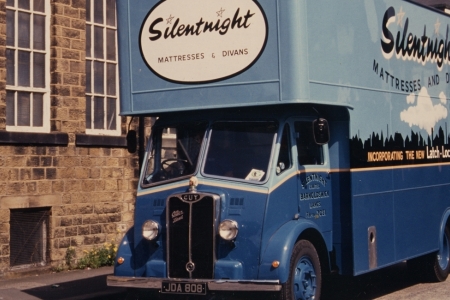
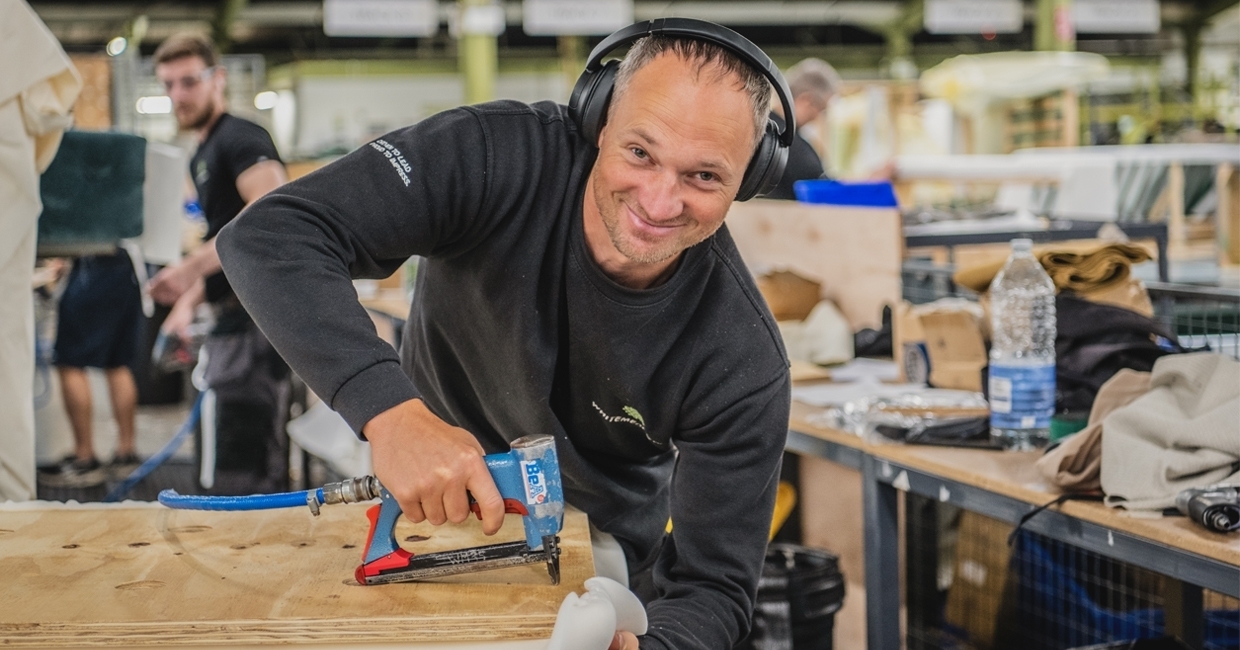
Pictured: British furniture manufacture is alive and well in businesses such as Whitemeadow