
Andrew Goodacre, CEO of the British Independent Retailers Association (Bira), explains why, when it comes to independent retail, diversification is essential …
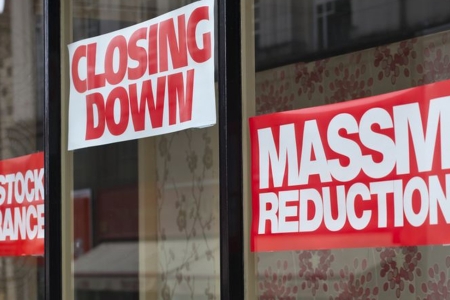
Walk down almost any high street in Britain today and you'll notice something striking – independent retailers are increasingly the last shops standing. Where chains have retreated and units sit empty, it's the independent traders who remain, serving their communities and keeping the high street alive.
But being the last shop standing brings both opportunity and challenge. With fewer competitors nearby, you have a captive audience. Yet with growing costs squeezing margins and consumer spending under pressure, relying solely on your traditional product range or business model isn't enough any more. Diversification has moved from being a ‘nice to have’ to an essential survival strategy.
I'm not talking about abandoning what you do well or losing your identity. I'm talking about smart diversification that builds on your strengths whilst opening up new revenue streams and appealing to different customer groups.
Let's start with product diversification. If you run a gift shop, have you considered adding locally made products, sustainable alternatives, or experience-based gifts like workshop vouchers? Furniture retailers might expand into home accessories, soft furnishings, or interior design consultations. The key is identifying gaps in your local market that align with what you already do well.
Product diversification works best when it feels natural to your existing offer. It's about finding complementary ranges that appeal to different customer segments whilst using your existing expertise and supplier relationships.
But diversification isn't just about what you sell – it's about what you offer. Services represent one of the most powerful ways to differentiate yourself from online competitors and create reasons for customers to visit repeatedly.
Consider repair services. In an age where we're all more conscious of waste and the environmental impact of constant consumption, offering repairs for furniture, electricals or home goods taps into a growing market. It builds loyalty, generates repeat business, and positions you as a sustainable alternative to throwaway culture.
Click and collect has become table stakes, but have you thought about delivery services for elderly or less mobile customers? Personal shopping appointments? Gift wrapping and corporate gifting services for local businesses? These aren't complicated to implement, but they create touchpoints and revenue opportunities that pure product sales don't offer.
Some retailers are getting creative with their physical space. If you have quiet periods or underused areas, could you host workshops, demonstrations or community events? A furniture shop running interior design evenings, a gift shop hosting craft workshops, or partnering with local artists for exhibitions … these activities drive footfall, create community connections, and often lead to sales.
The challenge, I know, is capacity. You're already working flat out managing costs, dealing with suppliers, serving customers. How do you find time to diversify? My answer is to start small and test. Pick one new product line or service. Trial it for three months. Measure the results. If it works, expand it. If it doesn't, you've learned something without overcommitting resources.
Talk to your customers. They'll tell you what they need. A conversation at the till about "I wish I could get X locally" is market research gold. Those insights cost nothing and often reveal opportunities you hadn't considered.
Look at what's disappeared from your high street. Are there products or services that used to be available locally but aren't anymore? That's often where the biggest opportunities lie. You're not just diversifying – you're filling genuine gaps in your community's needs.
The reality is that trading conditions aren't getting easier. Costs continue to rise, competition from online retailers remains fierce, and consumer confidence is fragile. But independent retailers have always been adaptable. That's how you've survived when chains haven't.
Being the last shop standing gives you permission to be more than just what you've always been. Your customers need you to evolve because they need you to survive. Diversification isn't about losing your identity – it's about ensuring you're still there in five years, still serving your community, still keeping the high street alive.
Start this month. Identify one opportunity. Test it. Learn from it. Your future depends on it.