The kitchen is increasingly expected to support far more than food preparation – and for furniture retailers, manufacturers, suppliers and interior designers, that shift is influencing the products, materials and layouts customers are looking for, writes George Swinson …
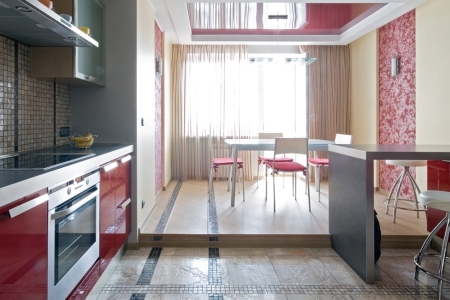
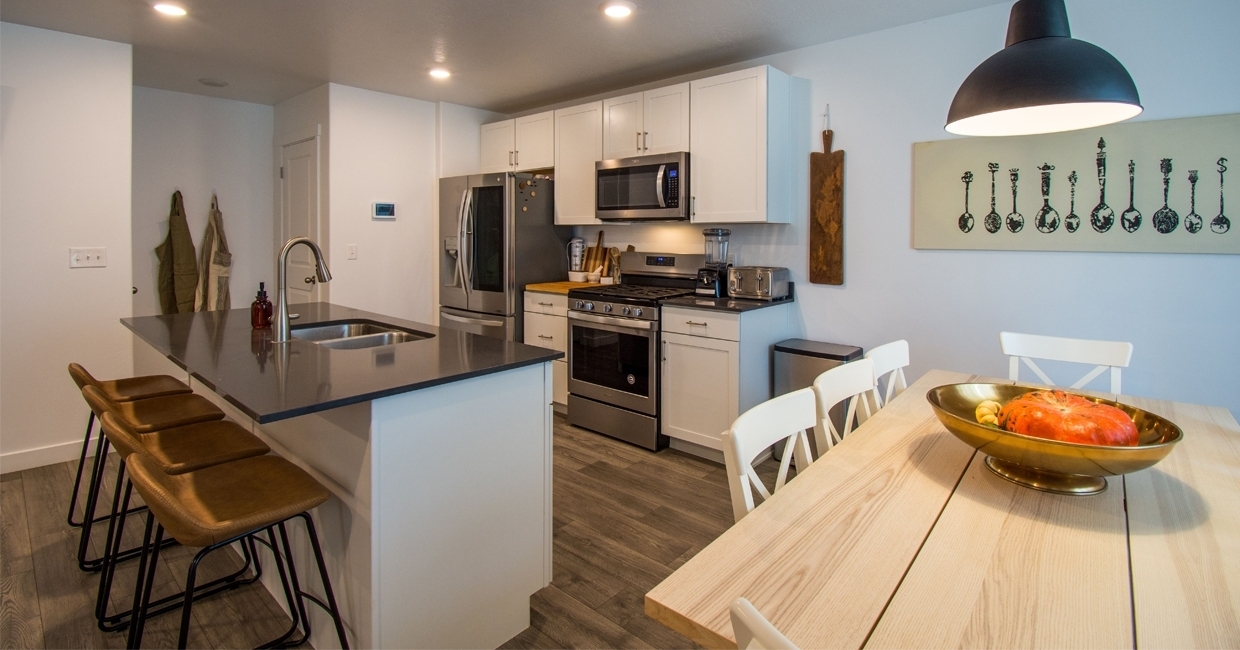
Open-plan living, hybrid working and less formal dining habits have all contributed to the kitchen becoming a more flexible social space. Customers increasingly want areas where they can cook, eat, work and spend time with family without those activities competing with one another.
This creates opportunities for businesses supplying kitchen furniture and surfaces. Larger preparation areas, integrated seating and multifunctional islands can help customers use the room throughout the day, while well-planned storage makes it easier to switch between cooking, working and entertaining.
Material choice is also becoming more important. Surfaces need to balance visual appeal with durability, particularly in kitchens that experience constant daily use. Natural materials can help create a warmer, more inviting feel, while well-planned kitchen worktop units can provide practical surface space without compromising the overall design.
For retailers and designers, the key is to understand how customers expect to use their kitchens. Buyers may be looking for somewhere children can do homework, a space for home working or simply enough room for guests to gather without interfering with food preparation.
As the kitchen continues to blur the boundaries between cooking, dining and living, durability, flexibility and comfort are becoming increasingly important considerations. For the trade, the opportunity lies in helping customers create kitchens that work as effectively for everyday life as they do for food preparation.
Photo courtesy Pexels/Get Lost Mike